Alpine Goat
The Alpine (French Alpine) is a large, hardy dairy breed from the French Alps, prized worldwide for high milk yield and remarkable adaptability. Coming in a wide range of colours and patterns with erect…
Breed Overview
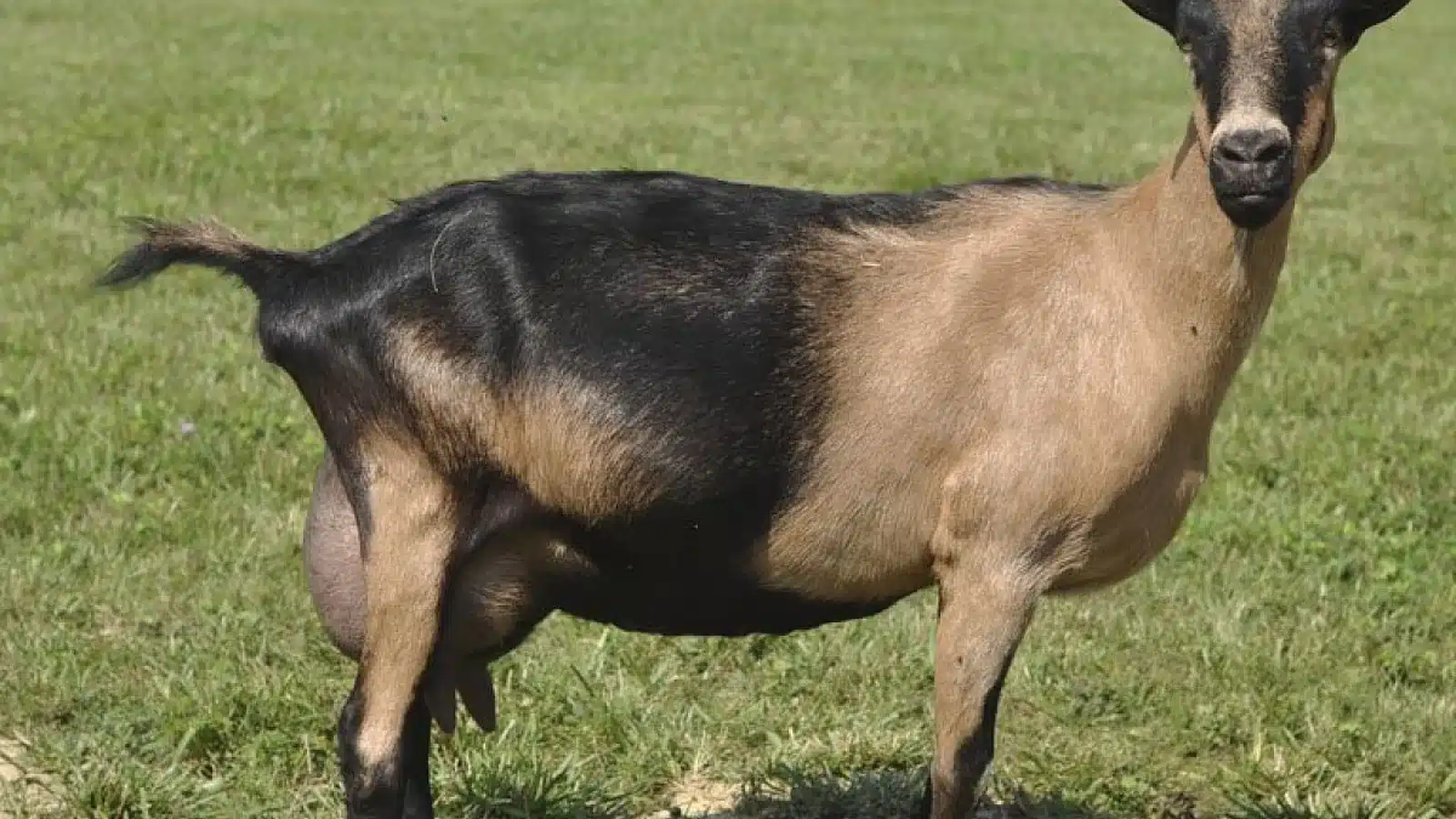
The Alpine (French Alpine) is a large, hardy dairy breed from the French Alps, prized worldwide for high milk yield and remarkable adaptability. Coming in a wide range of colours and patterns with erect ears and a straight face, it is one of the leading dairy goats globally.
More adaptable than some Swiss dairy breeds, the Alpine is used in India to improve the milk performance of local goats through crossbreeding, performing best in cooler regions and well-managed sheds with quality feed.
Key benefits of the Alpine Goat
- Very high milk yield — a leading dairy breed
- Hardy and highly adaptable for an Alpine dairy breed
- Improves local goats’ milk when crossbred
- Long, productive lactations
- Wide range of colours and patterns (Cou Blanc, Chamoisée, etc.)
- Large, refined dairy frame with erect ears
- Straight facial profile
- High milk yield and strong adaptability
🐐Physical Characteristics
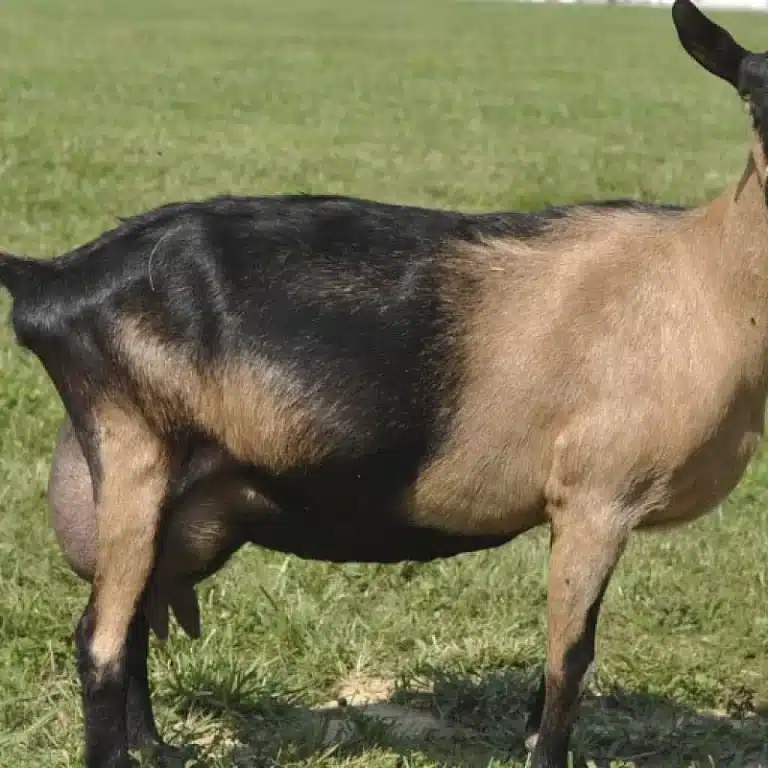
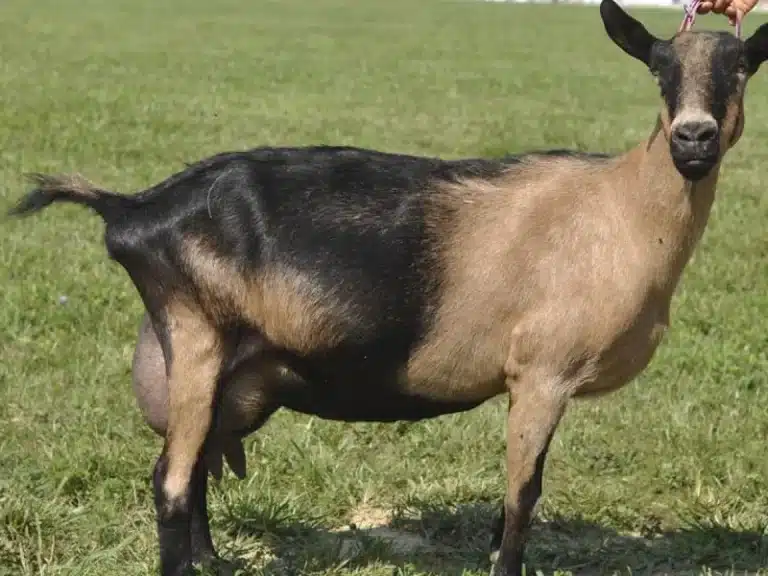
A large, refined dairy breed with erect ears, a straight face and a range of recognised colour patterns. It has a deep barrel and a well-attached udder, built for sustained high milk production.
🥛Milk Production
A top dairy performer at 3–4 litres/day over a long lactation — among the highest-yielding breeds, well above indigenous Indian goats.
🌦️Climate Suitability
A cool, temperate-climate breed that does best in Indian hill regions or well-ventilated, shaded sheds. Fairly adaptable but needs protection from extreme heat.
🌾Feeding Requirements
A high-yielder with high demands — about 5–6 kg green fodder plus 600–800 g concentrate per adult daily to sustain peak milk.